
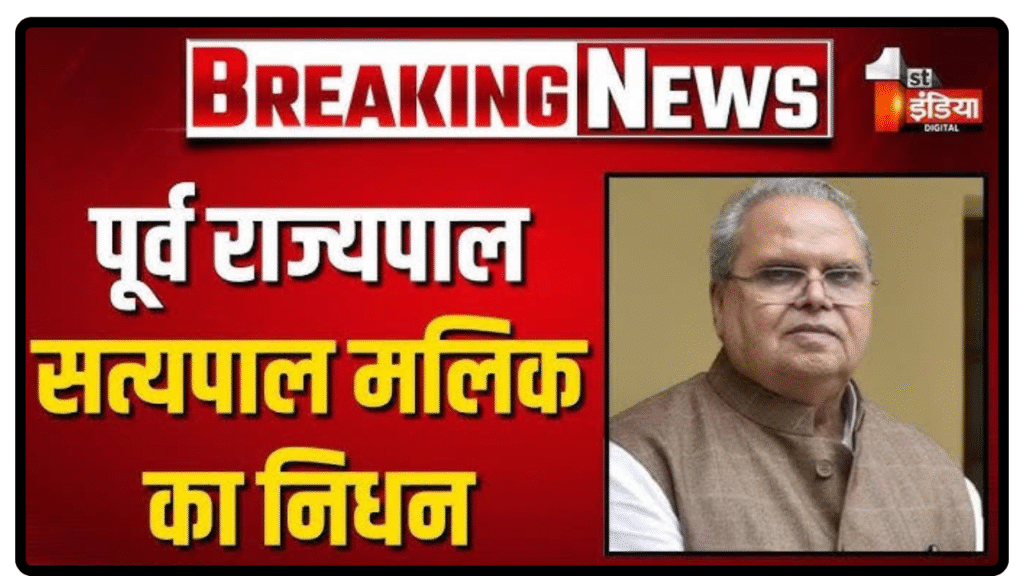
Satya Pal Malik , The well-known politician and former governor of Jammu & Kashmir, Satya Pal Malik, died at the age of 78.Learn about his political journey, legacy, and outspoken remarks in this detailed obituary.
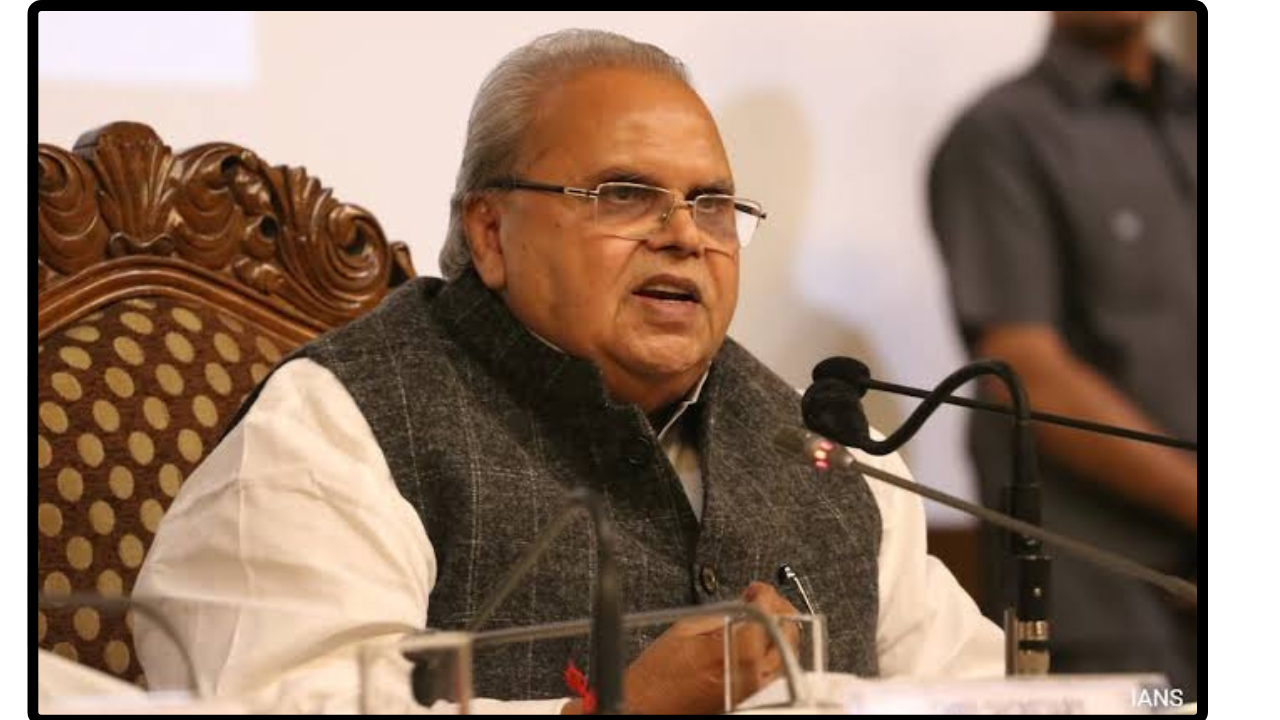

—
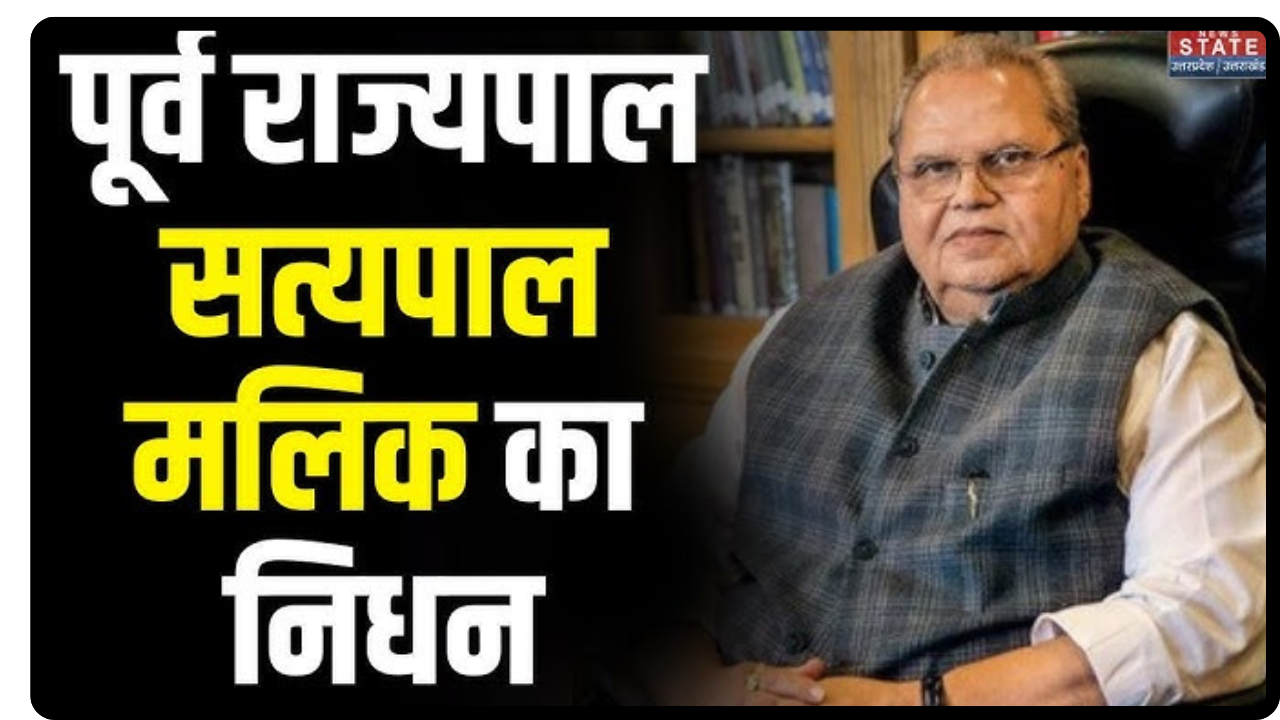
Former J&K Governor Satya Pal Malik Dies at 78 After Prolonged Illness
New Delhi, August 5, 2025 – Satya Pal Malik, former Governor of Jammu & Kashmir, passed away today at the age of 78. The veteran leader breathed his last at Ram Manohar Lohia Hospital in Delhi, where he had been undergoing treatment since May due to kidney-related complications.
His death marks the end of a long and eventful political journey that spanned five decades and several major political parties. Malik, who once stood firmly with the ruling BJP, later emerged as a vocal critic of the government, especially on key national issues.
—
A Long Political Journey Rooted in Uttar Pradesh
Born in Baghpat, Uttar Pradesh, Satya Pal Malik began his political career as a student leader.. As he advanced through the ranks, Chaudhary Charan Singh’s Bharatiya Kranti Dal elected him as an MLA in 1974.
Malik continued to be involved in Indian politics over the years, serving as a representative of the Janata Dal, Congress, Lok Dal, and Samajwadi Party, among others. He represented Aligarh in the Rajya Sabha and then the Lok Sabha as a Janata Dal MP.
—
Governor Tenures: From Bihar to Jammu & Kashmir
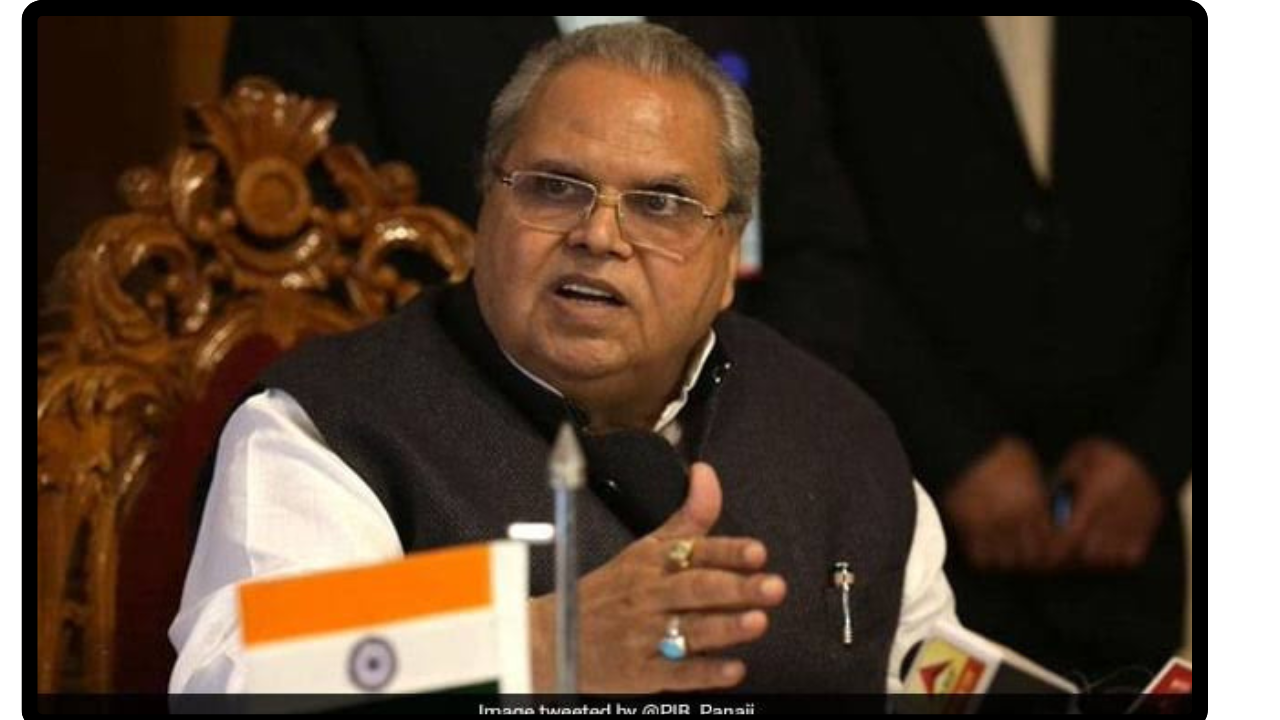
Satya Pal Malik’s gubernatorial journey began in 2017 when he was appointed the Governor of Bihar, and briefly held additional charge of Odisha. In August 2018, he was appointed the Governor of Jammu & Kashmir, a role that brought him into the national spotlight.
His tenure in Jammu & Kashmir was marked by two major events in recent Indian history:
Revocation of Article 370 in August 2019, which stripped Jammu & Kashmir of its special status and bifurcated it into two Union Territories.
The Pulwama terror attack in February 2019, where 40 CRPF jawans lost their lives in a deadly bombing.
Following his J&K stint, Malik served as the Governor of Goa and Meghalaya before retiring from active service.
—
Controversial Statements and Rift with BJP
Despite his past alignment with the BJP, Satya Pal Malik’s relationship with the ruling party soured in recent years. Around 2020–21, he openly supported the farmers’ protests against the now-repealed farm laws, a stance that distanced him from the BJP.
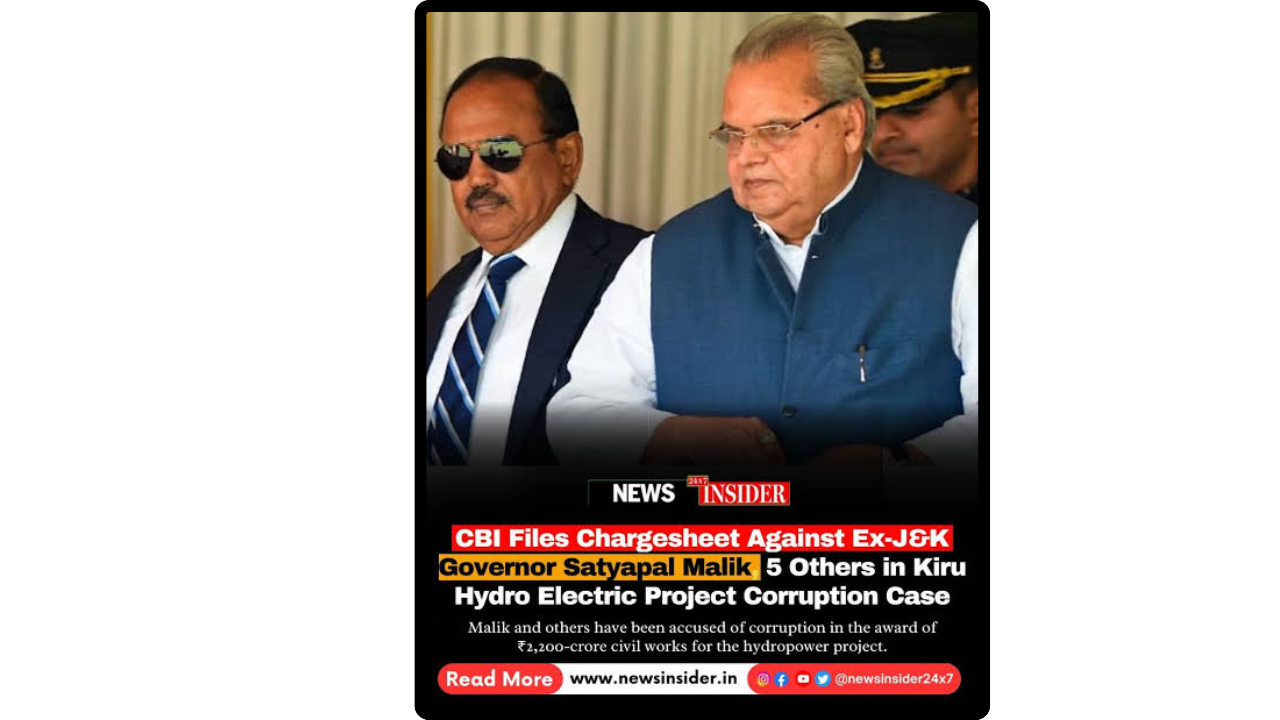
However, it was his explosive 2023 interview that truly shook the political landscape. Malik alleged that the Pulwama attack could have been prevented and blamed the Centre for ignoring CRPF’s requests for air transport. He claimed that he was asked to remain silent about the lapses and accused the government of mishandling intelligence inputs.
In response, the BJP questioned the veracity of Malik’s claims and shared videos of him complimenting the government in previous interviews. However, Malik remained steadfast and reiterated his claims in later interviews.
—
Support from the Opposition
Malik was well-liked by the opposition because of his audacious criticisms. Rahul Gandhi, the Congress leader, visited him in the hospital in May 2025 and even had an interview with him in 2023, during which Malik restated his accusations against the Modi administration.
In the twilight years of his life, Malik was seen less as a party politician and more as a whistleblower — unafraid to speak his mind on national issues.
—
A Nation in Mourning
Condolences from people of all political persuasions have been pouring in since his death was announced. He was regarded by many politicians, both from the opposition and the ruling party, as a politician with integrity who dared to stand up for what he believed in, even if it was unpopular.
His contribution to Indian politics, especially during critical periods like the J&K reorganisation and the Pulwama attack, will be remembered for years to come.
—
Conclusion
Satya Pal Malik’s legacy is one of complexity — a seasoned politician, a fearless governor, and later, a dissenting voice in Indian democracy. As the nation bids farewell to this towering personality, his life remains a reminder of the turbulent and transformative nature of Indian politics.