
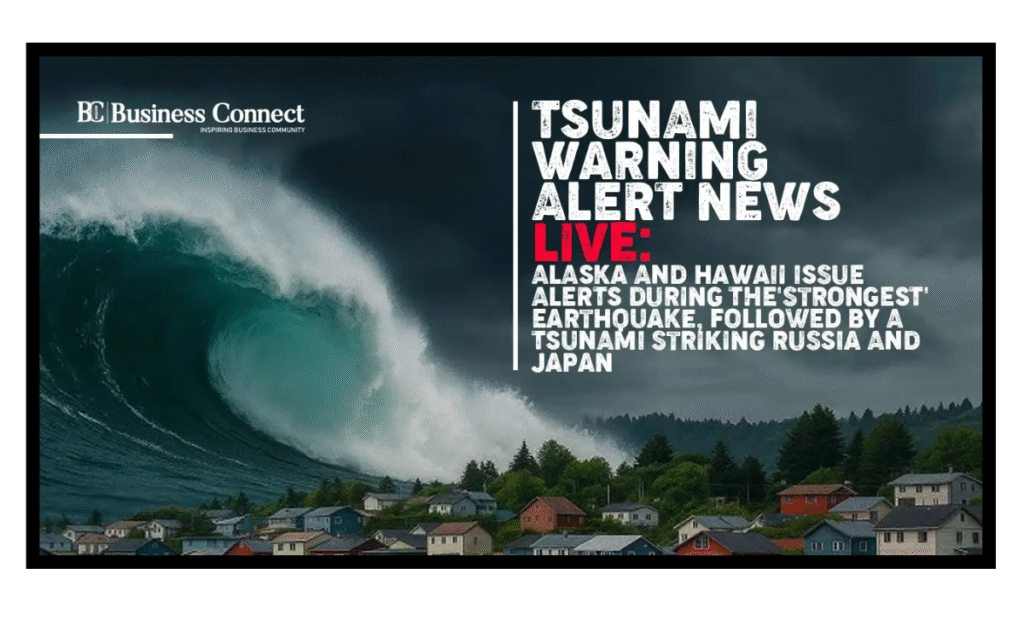
Hawaii is battered by tsunami waves following an 8.8-magnitude earthquake in Russia’s far east.
Tsunami strikes Hawaii
A tsunami Soo-NAH-mee, (t)suu-; (/(t)suːˈnɑːmi, (t)sʊˈ-/ [2] [3] [4] (from Japanese: 㴥㳢, lit. “harbour wave,” [5] pronounced [tsɯnami]) is a sequence of waves in a body of water, usually in a big lake or ocean, that are brought on by the displacement of a significant amount of water. A tsunami can be produced by earthquakes, volcanic eruptions, and undersea explosions that occur above or below water, including landslides, glacier calvings, meteorite impacts, and other disturbances. [6] A tsunami is created when water is displaced by a significant event, as opposed to regular ocean waves, which are caused by wind, or tides, which are caused by the Moon and Sun’s gravitational attraction.
Tsunami strikes Hawaii
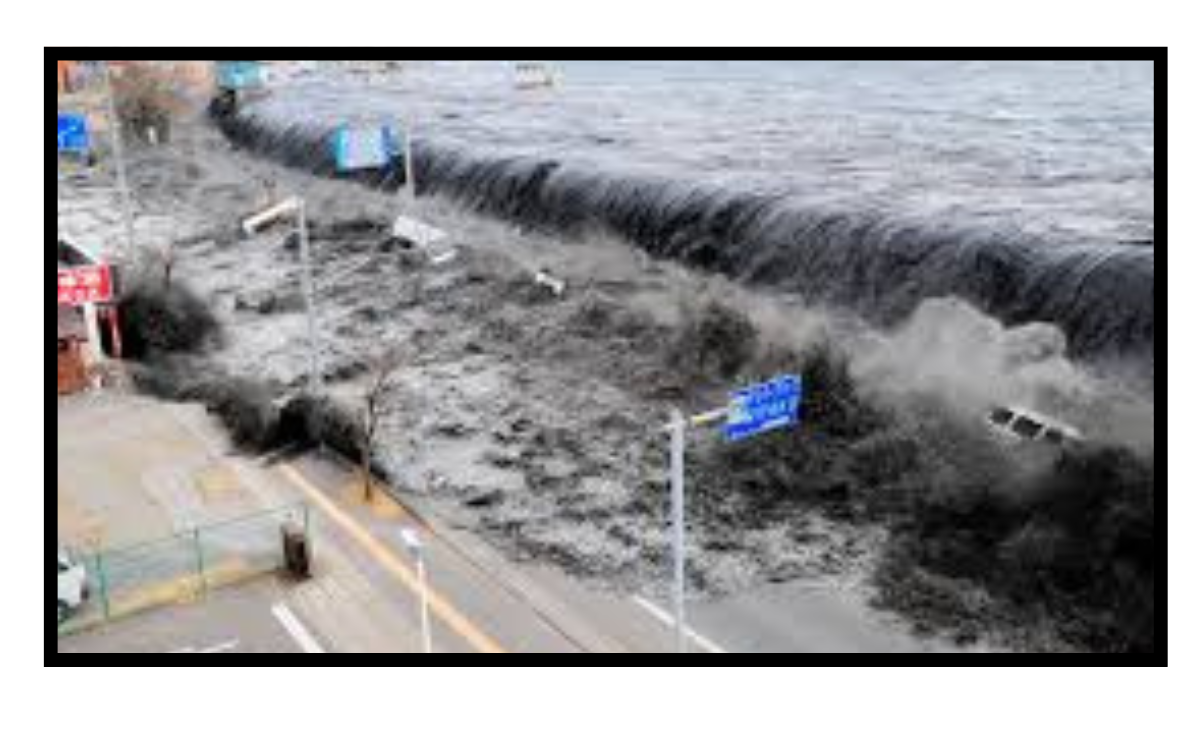

The wavelength of tsunami waves is significantly longer than that of typical sea waves or submarine currents. Early on, a tsunami may not look like a breaking wave but rather like a tide that is rising quickly. [8] As a result, it is frequently called a tidal wave, [9], a term that the scientific community disapproves of since it might create the misleading impression that tides and tsunamis are causally related. [10] A “wave train” is the term used to describe the sequence of waves that often make up a tsunami, with times varying from minutes to hours. [11] Large occurrences have the potential to produce waves as high as tens of meters. Even though coastal regions are the only places affected by tsunamis,They have the capacity to impact whole ocean basins and have tremendous destructive force. In 14 nations that border the Indian Ocean, the 2004 tsunami killed or left at least 230,000 people missing, making it one of the worst natural catastrophes in human history.
Waves from tsunamis move across time. from Lex Harvey on CNN The earthquake occurred Wednesday morning at about 11:24 a.m. local time on the Kamchatka Peninsula in the extreme east of Russia.
Tsunami strikes Hawaii
However, the initial waves of the tsunami hit Hawaii, thousands of miles to the east, on a Tuesday night. This is because the waves moved back in time, at least in the calendar sense.
The International Date Line, the imperceptible line separating the Pacific Ocean and designating one day from the next, was crossed by the tsunami waves as they traveled east.
Tsunami strikes Hawaii
Following an 8.8-magnitude earthquake off the east coast of Russia, the US, Russia, and Japan are on a tsunami alert.
Following a magnitude 8.8 earthquake off the eastern Kamchatka Peninsula of Russia, tsunami warnings have been issued. The United States Geological Survey (USGS) reported on Tuesday that the earthquake occurred 136 kilometers (84 miles) east of Petropavlovsk-Kamchatsky, a coastal city in Russia’s far east. A tsunami advisory was issued by Japan’s meteorological office for a large portion of its east coast, warning of waves as high as three meters (9.8 feet).
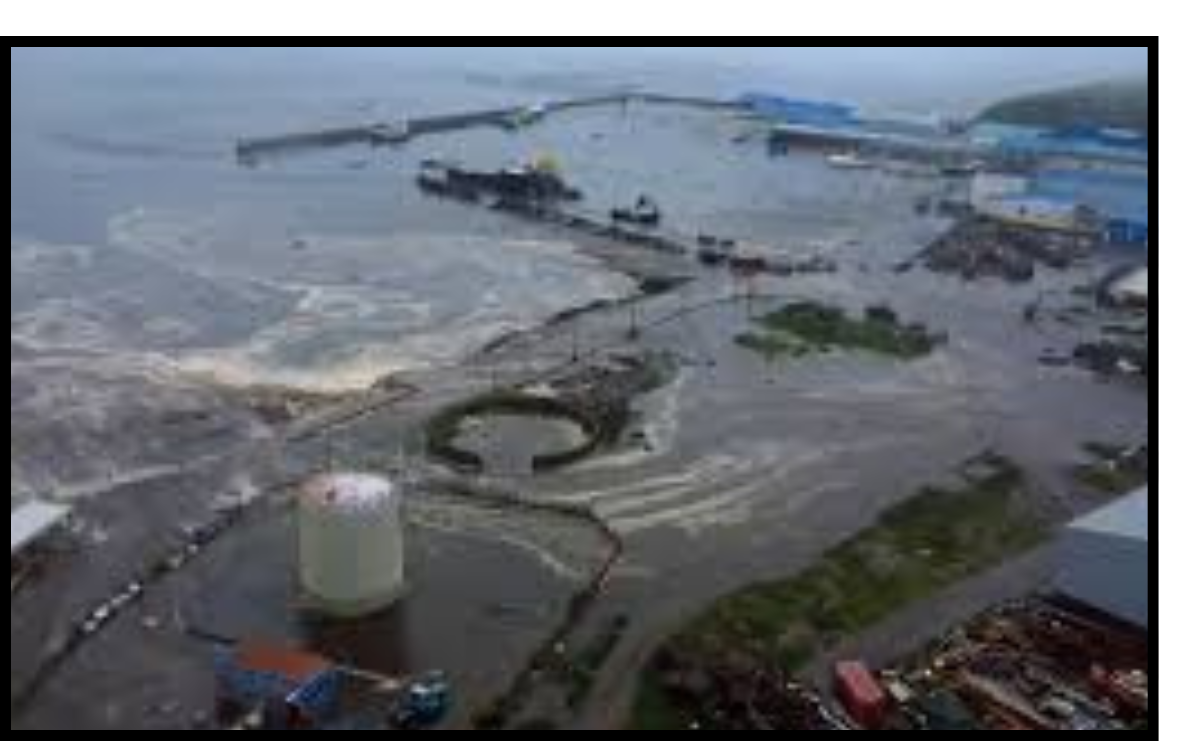
As a large earthquake off Russia prompts evacuations around the Pacific, tsunami waves strike Hawaii.
With a 4 foot (1.2 m) wave observed near Oahu, the first waves caused by a powerful 8.8 earthquake off the coast of Russia have arrived in Hawaii.
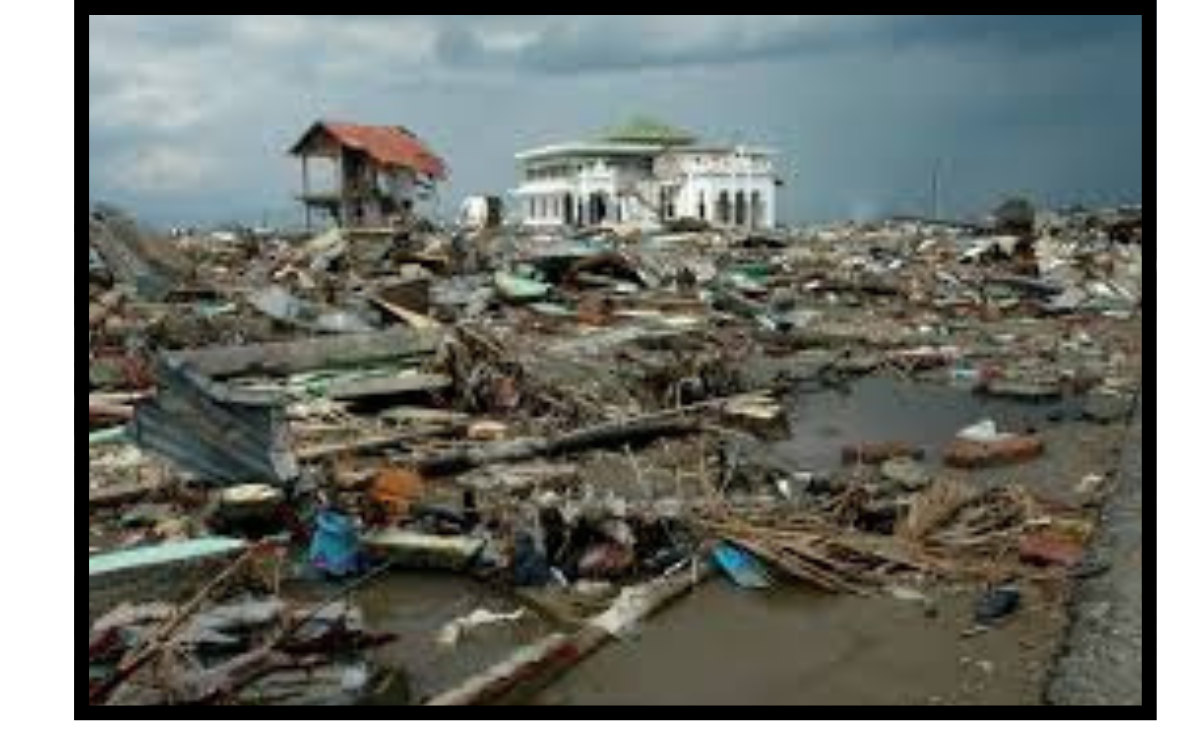
One of the most powerful earthquakes in recent history struck Russia’s eastern Kamchatka Peninsula, prompting evacuation orders for residents of Hawaii, several areas of the US west coast, and Japan. While US President Donald Trump urged Americans to be vigilant for tsunami warnings, Hawaii Governor Josh Green has urged residents to follow evacuation instructions and maintain composure. According to Japan’s meteorological office, 1.9 million people have been ordered to leave, and a tsunami wave measuring 4.3 feet (1.3 meters) has hit the northern Iwate prefecture.
The Galapagos Islands off Ecuador, the Philippines, Indonesia, Guam, and Peru have also received tsunami warnings of various intensities.
heights of tsunamis:
Diagram illustrating the height, inundation, and run-up of a tsunami as well as other metrics The many features of tsunamis in relation to their height are referred to by a number of terms: [73] [74] [75] [76] The height of a tsunami in relation to the average sea level at the moment of the tsunami—which might be tidal High Water or Low Water—is referred to as its amplitude, wave height, or tsunami height. It is not the same as the crest-to-trough height, which is frequently used to gauge the height of other kinds of waves. [77]
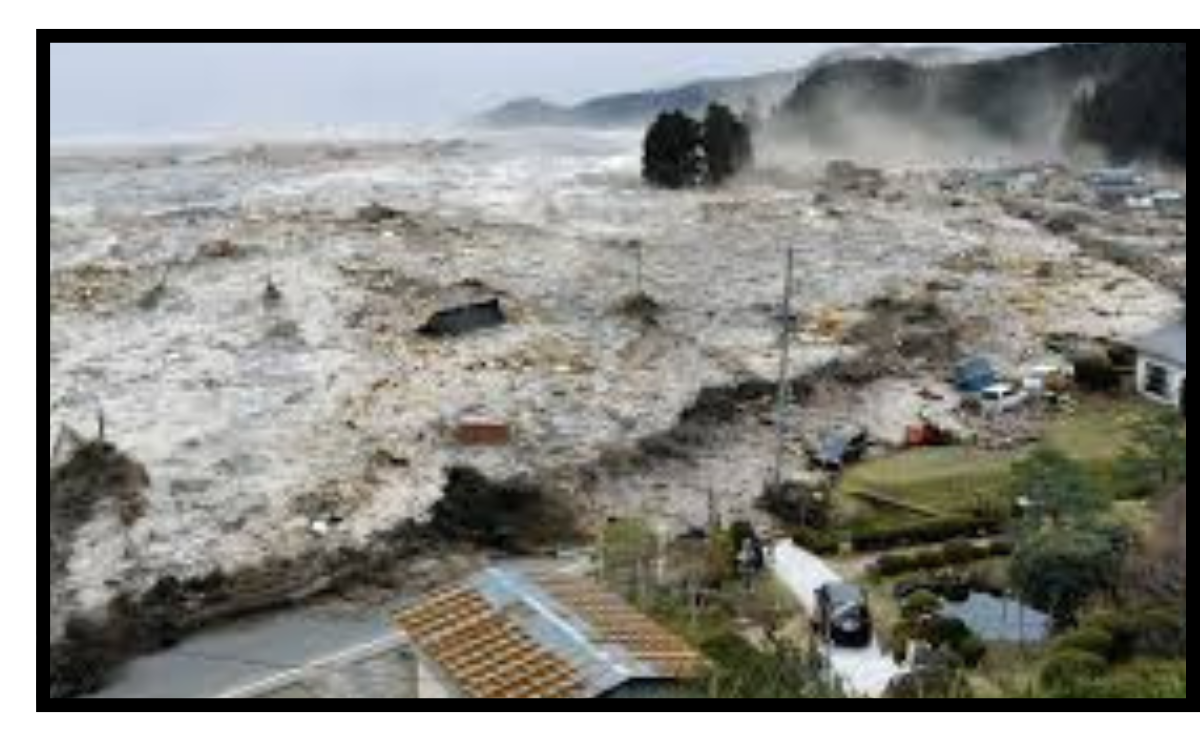
The height that a tsunami reaches on the land above sea level is known as “run-up height,” or “inundation height.” The greatest height that water can reach above sea level is known as “maximum run-up height,” and it is occasionally stated as the highest height that a tsunami can reach.